
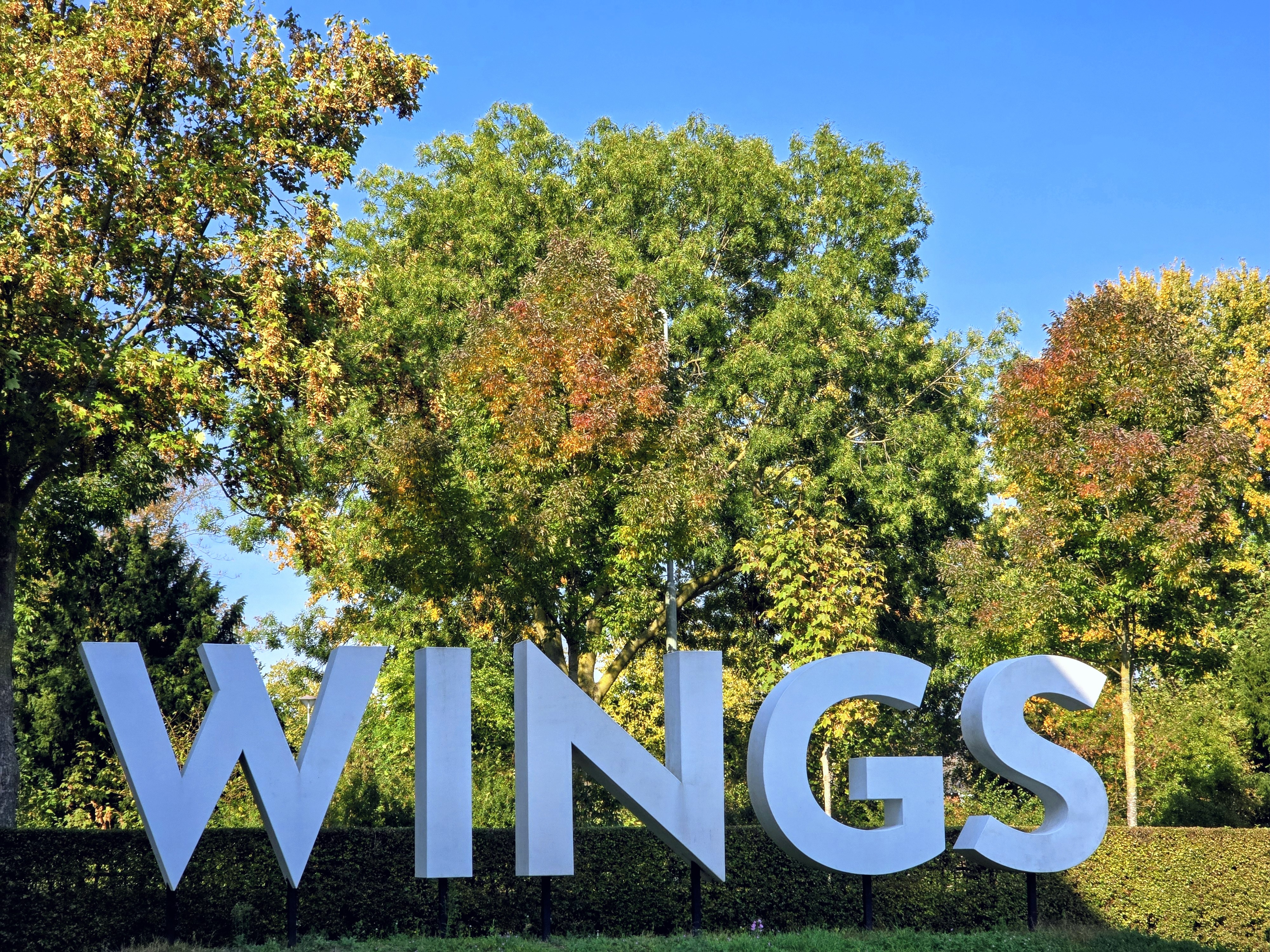
From 5 to 9 October 2026, students and teachers from Portugal, Türkiye, Iceland, Croatia and the Netherlands gathered in Roermond for the Second Green Connection Training, organised within the Erasmus+ project GREEN Revolution (2025-1-HR01-KA220-VET-000353056). Hosted by Stichting Onderwijs Midden-Limburg (SOML), with activities delivered by Wings Agora Roermond, the training brought international teams together to explore how technology can support more efficient and sustainable plant growing.
Learning by doing: IoT meets vertical farming
The main objective of the training was to develop a working plant-monitoring and automation prototype. Working in mixed international teams, students and teachers combined a Raspberry Pi running Home Assistant with ESP8266 microcontrollers and sensors measuring temperature, humidity, light and soil moisture. They also integrated a 12 V water valve to enable automated watering.
Throughout the week, participants worked in practical workshops, learning how to connect hardware, configure sensors, collect data and create automations. They gradually developed their systems, tested individual components and integrated them into a functional solution. Each team also documented its work and prepared a live demonstration of the finished prototype.
The programme followed a hands-on approach, with daily team meetings helping participants review their progress, divide responsibilities and solve technical problems together.
Connecting technology with real-world applications
The programme extended beyond the workshop. On Monday, participants visited Botany B.V. at Brightlands Campus Greenport Venlo, where they explored innovations in vertical farming and learned how lighting and climate control are applied in modern crop production.
On Wednesday, a practical biology workshop at Wings Agora connected the technical work with plant growth requirements. Participants explored how much light different crops need, how long they take to reach harvest and how energy consumption relates to growing conditions. The resulting insights helped teams define threshold values for their automated systems.
These activities demonstrated how knowledge of electronics, programming, sensors and automation can be applied to real challenges in agriculture and sustainable food production.
Sharing educational practices across Europe
Alongside the technical workshops, teachers exchanged experiences from their national education systems. Discussions covered IoT and computer science education in the Netherlands, different approaches to technical and vocational learning, educational software and the use of artificial intelligence in technical education.
Each partner also presented how the GREEN project materials and microcontroller activities could fit into its own curriculum. This exchange will contribute to the partners’ implementation planning and support the further integration of project results into vocational education and training.
The programme also included a guided visit to Fort Eben-Emael in Belgium, offering participants an opportunity to discover a significant historical site and strengthen connections beyond the classroom.
From prototypes to greener learning environments
On Friday, the international teams presented their prototypes and demonstrated how their systems worked. The expected results included sensor monitoring, a water valve, automated functions and a dashboard bringing the system’s information together.
The prototypes are taken back by the partner organisations and will be used with the vertical gardens developed. They will also provide a starting point for the next stage of the GREEN project.
The Second Green Connection Training showed how international cooperation and practical, project-based learning can connect technical education with sustainability. By working together on a real application, students developed their technical skills, problem-solving abilities and teamwork, while teachers explored new ways to bring IoT and green technologies into vocational education.
The training concluded with evaluation activities, certificates and a farewell, marking another step forward in the partners’ shared work towards greener and more connected learning environments.


